
By Sharad Bhushan Executive Director, EWE, India, AECOM
Wastewater management is undergoing a profound transformation evolving from a narrow “end-of-pipe” compliance exercise into a cornerstone of the circular economy. The sector is no longer about mere disposal but about value recovery: reclaiming water, nutrients, and energy while reducing emissions, protecting public health, and strengthening the resilience of urban and industrial systems.
This article brings together the latest technological trends, practical innovations, and real-world applications including AECOM’s impactful work in India to present a holistic view of where wastewater innovation is headed and how it can inspire a more sustainable water future.
India’s Challenge and Opportunity
India’s wastewater landscape is as vast as it is complex. Public-domain data and market analyses reveal that only about 30–40% of the country’s municipal sewage currently receives adequate treatment a figure that underscores the significant gap between sewage generation and operational treatment capacity. At the same time, the Indian wastewater treatment market is expanding rapidly, estimated at USD 9.6 billion in 2024, with a projected growth trajectory that will nearly double this figure through the 2030s.
This dual reality of urgency and opportunity is driving innovation across technology, financing, and governance. The focus is shifting from adding capacity to achieving operational excellence, scaling reuse, and embedding circular-economy principles at every level.
Transformative Trends Redefining the Sector
The future of wastewater management is being shaped by a few powerful, interconnected trends:
● From Treatment to Resource Recovery: The paradigm has shifted from “safe disposal” to “value recovery.” Today’s facilities are designed to reclaim water for industrial and irrigation use, extract energy through biogas, and recover nutrients for fertilizer applications. This transformation is turning what was once considered waste into a valuable resource.
● Decentralized and Hybrid Systems: Cities are moving away from a single, centralized sewage treatment plant model. Instead, they are adopting hybrid networks of smaller decentralized systems that reduce conveyance costs, enhance reliability, and create local reuse hubs for nearby industries or agriculture.
● Digitalization and Smart Operations: Digital twins, AI driven predictive maintenance, and real-time sensors are revolutionizing plant operations. These tools enable utilities to optimize aeration, lower energy consumption, and anticipate equipment failures before they occur — shifting operations from reactive to proactive.
● Energy-Positive Plants: By integrating anaerobic digestion, heat recovery, and energy-efficient membranes, many treatment facilities are moving towards net-zero energy or even energy-positive operation transforming wastewater plants into energy generators.
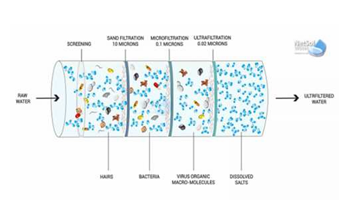
● Targeted Contaminant Removal: The growing presence of micropollutants such as PFAS, pharmaceuticals, and microplastics is driving adoption of advanced oxidation and membrane filtration technologies. These tertiary treatment methods ensure effluent meets the most stringent standards for reuse or discharge.
Emerging Technologies Driving Impact
Among the many innovations gaining traction, a few stand out for their proven efficacy and scalability:
● Membrane Bioreactors (MBR): MBR technology combines biological treatment with membrane filtration, delivering compact footprints and high-quality effluent ideal for reuse. Its growing use in India — especially in urban STPs, hotels, and industrial parks — is driven by rising land scarcity and tighter water quality standards.
● Advanced Oxidation and Hybrid Tertiary Systems: Advanced Oxidation Processes (AOPs), often integrated with UV, ozone, or activated carbon adsorption, are now standard in tertiary treatment lines where high-purity water is required for industrial or indirect potable reuse.
● Anaerobic Digestion and Biogas Valorization: For high strength industrial effluents, anaerobic digestion offers dual benefits — efficient organic removal and renewable energy generation. Many Indian plants are now integrating biogas-to-CBG systems to offset operational costs and reduce carbon intensity.
● Nutrient Recovery and Biosolids Utilization: Phosphorus recovery through struvite precipitation and nitrogen capture via ammonia stripping are helping cities convert sludge from a disposal challenge into a circular asset.
● Nature-Based Systems: Constructed wetlands and hybrid natural-engineered systems continue to play a vital role in peri-urban and rural wastewater management, offering low-energy, low-maintenance solutions that enhance groundwater recharge and biodiversity.
The Digital Transformation of Wastewater
Digitalization is emerging as one of the most transformative forces in wastewater management. AI-based predictive maintenance helps avoid unplanned shutdowns, while digital twins allow engineers to simulate future scenarios — from population growth to climate impacts — and optimize system design. SCADA-based automation, meanwhile, is becoming essential for managing decentralised networks, especially where skilled manpower is limited.
By integrating these tools early in project lifecycles, utilities can drastically reduce lifecycle costs — particularly energy and O&M, which represent the bulk of total expenditure over a plant’s lifespan.
Beyond Technology: Financing, Policy, and Partnerships
Innovation in wastewater management is as much about institutional models as it is about engineering. Performance based contracts and PPP frameworks are aligning incentives toward reliability and reuse outcomes. Clear reuse pricing mechanisms and robust standards are stimulating demand from industries, while blended-finance models — combining grants, concessional debt, and private investment — are de-risking early-stage reuse projects.
Together, these measures are turning policy ambition into on ground progress.
Real-World Impact: AECOM’s Contributions
AECOM has been at the forefront of system-level planning and implementation in India and globally.
● Delhi Sewerage System Master Plan: AECOM supported the Delhi Jal Board in conducting extensive audits of existing STPs, hydraulic modelling of trunk sewers, and strategic planning to integrate sewered and unsewered zones. The resulting master plan laid the foundation for phased investments aimed at expanding treatment coverage and rejuvenating the Yamuna River.
● Global and Regional Expertise: From advanced membrane and energy-recovery pilots to airport water-reuse systems and large-scale infrastructure programs, AECOM’s multidisciplinary approach bridges technical feasibility with real-world delivery translating sustainable design principles into measurable performance.
A Practical Roadmap for Indian Cities and Industries
- Map sewage and effluent generation hotspots early, using flow monitoring and hydraulic modelling.
- Prioritise reuse-ready clusters and design modular treatment trains such as MBR or MBBR + RO systems.
- Target energy neutrality through anaerobic digestion, combined heat and power, and waste-to-energy linkages.
- Embed digital operations from commissioning to ensure sustained efficiency.
- Integrate sludge-to-resource pathways, linking biosolids to composting or biochar markets.
- Use PPP or performance-based models to bring in private sector O&M expertise.
- Engage end-users and regulators early to streamline approvals and build public confidence in reuse.
Managing Risks and Realities
Every innovation comes with trade-offs. Advanced systems like MBR + RO offer exceptional quality but require higher operational sophistication. Addressing skill gaps through capacity-building is crucial. Equally important is public communication — building trust and acceptance around water reuse, especially in urban and industrial applications.
What Success Looks Like
The future of wastewater management in India will be defined by:
● Integrated planning that aligns trunk infrastructure with decentralised reuse hubs.
● Treatment plants that are energy-neutral or energy positive, recovering nutrients and biomass.
● Digitally enabled operations achieving >90% uptime and consistent reuse supply.
● Policy frameworks that foster circular-economy outcomes through clear tariffs and blended financing.
These outcomes represent not only engineering success but a new way of thinking — one that treats wastewater not as a liability, but as a renewable resource powering sustainable growth.
CONCLUSION
As India urbanises and climate pressures intensify, wastewater innovation will define the future of sustainable water management. By combining advanced technologies, digital intelligence, and progressive policies, cities and industries can move from reactive compliance to proactive resilience.
AECOM’s experience across planning, design, and implementation from Delhi’s systemic upgrades to local reuse initiatives demonstrates how technical excellence, when paired with institutional innovation, can drive measurable impact. The next chapter of wastewater management will belong to those who see wastewater not as waste, but as water waiting for a second life.