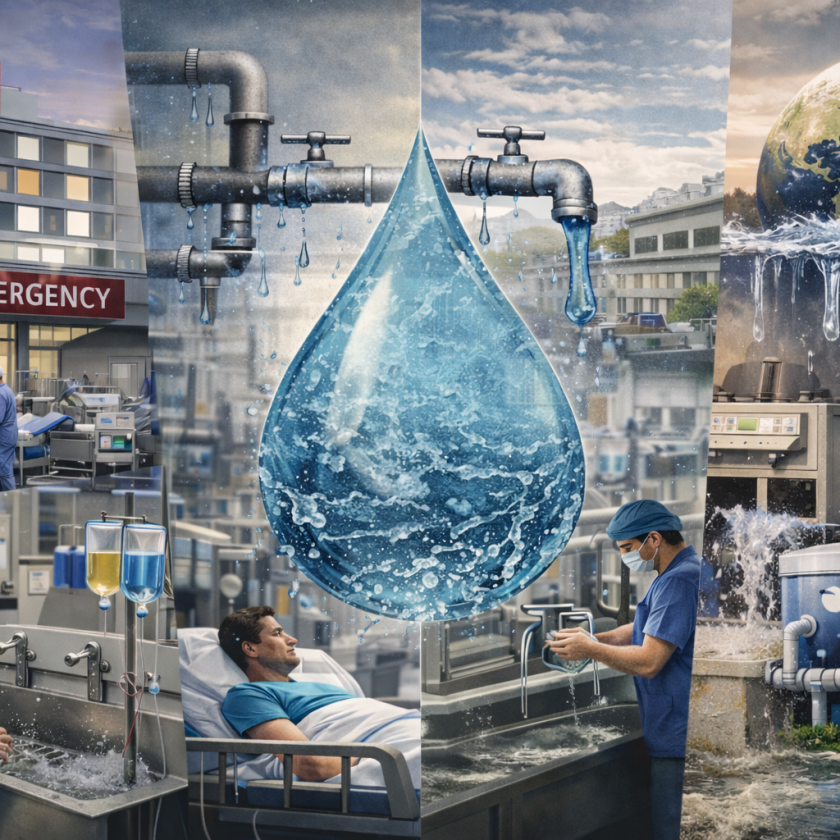

Today, India bears a significant national health burden due to waterborne illnesses. Water contamination and poor water storage is a direct public health concern. Contaminated water is a primary cause of waterborne diseases like cholera, typhoid, and dysentery, which affect large sections of the population each year. Diarrhoea is the third most common cause of childhood mortality in India, claiming nearly 13% of lives in children under five years of age. Basic sanitation & hygiene and clean drinking water are fundamental to human development, health and well-being and absence of these can lead to adverse health issues especially in children. It is important for families to prioritize and monitor their water consumption in order to protect themselves from diseases, improve their quality of life, and build a healthier future.
The economic and human cost of preventable diseases is staggering, yet the role of ‘clean water’ storage in mitigating this burden is rarely discussed, and often overlooked. Ensuring optimum storage conditions—from material selection to regular maintenance—can substantially reduce contamination risks and improve public health outcomes.
Historically, water has been at the heart of civilization. The communal well was more than a source of drinking water—it was a shared responsibility, a symbol of respect for natural resources. Across cultures, wells have been regarded as pure spaces, reinforcing the idea that water is meant to be preserved, protected, and shared wisely. But storage—an ancient practice, once venerated and now overlooked—remains an afterthought in the modern equation of conservation.
Storage is often seen as an ancillary function—merely a holding mechanism within the larger water infrastructure. When designed with discretion, optimum storage systems can minimise wastage, ensure availability, maintain quality, and enhance sustainability. Storage tanks, however, receive little attention—many are not cleaned frequently. An unclean tank is a perfect breeding ground for bacteria, virus, fungus and algae, thereby leading to contamination and making stored water unsafe for use.
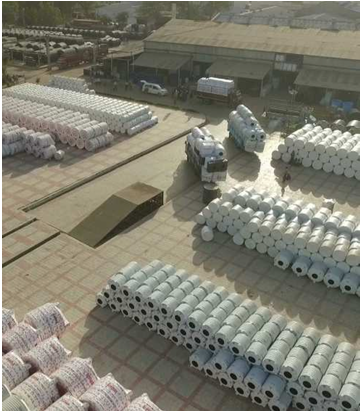
Material quality is no small player in this equation. Most household and commercial water tanks are made from plastic, but not all plastics are built to withstand the environmental conditions of hot and tropical climates, especially like ours. Intense heat degrades plastic, prolonged consumption of water exposed to this plastic poses serious risks to internal organs. Material quality should also be an important factor in a consumer’s purchase decision over and above the affordability and durability of the product.
Additionally, India is already teetering on the brink of being water-stressed, and projections indicate that the situation will become more severe in the coming years. Recently in 2024, water conservationists warned that cities like Bengaluru were dangerously inching closer to a potential Day Zero (a potential event of having no potable water left). This, if not anything, is a resounding clarion call to bump up measures to alleviate our looming water crisis. Then comes summer and the extreme heat waves further escalate the crisis, making water the most precious commodity in the country.
According to a study by NITI Aayog, India is home to 18% of the world’s population, but has access to only 4% of global freshwater resources, making it one amongst the most water stressed countries in the world. As per recent reports, nearly 600 million Indians will experience high to extreme water stress! India depends highly on monsoon for its water requirements and recent climate changes further threaten to put pressure on its existing water sources. Ground water, an output of monsoon precipitation, is an important source for irrigation as well as for domestic and industrial usage. As an agrarian country, irrigation largely consumes India’s ground water reserve. It is also a major source of drinking water in urban and rural India. According to PIB’s 2013 survey, 45% of total irrigation and 80% of domestic water come from ground water reserves. Furthermore, rapid industrialisation and urbanisation, booming economy and population growth are further impacting India’s water demand. Thus, water conservation/ storage is the need of the hour.
We, as an economy, have a herculean task ahead to reduce the strain on our water infrastructure due to unplanned cities and non-sustainable agricultural practices. A part of the problem is also wastage in urban cities, along with unplanned infrastructure, and herein solutions like rainwater harvesting, su cient storage systems, waste water recycling and arresting water leakage can help address water scarcity to a good extent.
Water tanks are silent sentinels of conservation in the country’s water infrastructure. They play a role far beyond distribution—they promote conservation at scale. Tanks with smart designs can support rainwater harvesting, capturing and storing seasonal downpours that would otherwise be lost to drainage. Even in rural areas, irrigation storage tanks can actively prevent over-extraction of groundwater and reduce dependency on monsoons, which are becoming increasingly erratic due to climate change. Storage tanks can plug the yawning gap between availability and accessibility, both in rural and urban households.
Legacy brands have taken notice of this and have crafted their path towards innovation, integrating technology and advanced materials to further enhance quality and product life cycle. Modern tanks, paired with the right technology and superior material quality can ensure that the stored water remains cleaner, safer, and potable for family consumption, helping mitigate the health risks associated with microbial contamination. Quality 100% virgin plastic, built to withstand intense temperatures, will help build a sustainable storage mechanism. Investing in safe, durable and efficient water storage is not merely a matter of convenience; it is an imperative step toward ensuring good health, sustainability, and long-term water security.
In solving India’s water crisis, the focus has primarily been on sourcing and supply, with relatively less attention given to how water is managed beyond procurement. There is an imperative need to rethink our approach—not just in how we access water, but in how we store and conserve it. Water, after all, is part of a continuous cycle. The approach towards water must evolve, and at the centre of this shift is ‘safe’ storage—an aspect that can no longer be ignored.