
As global demand for freshwater intensifies, the conversation must evolve beyond quantity to address an equally urgent crisis: water quality. More than half of the world’s food production could be jeopardised by freshwater shortages within the next quarter-century. But contamination may prove just as perilous. The UK’s Environment Agency reported 3.6 million hours of raw sewage discharge into rivers in 2024 alone. Poor water quality accelerates ecosystem decline, imperilling biodiversity, public health, and food security.
Emerging technologies for monitoring water quality
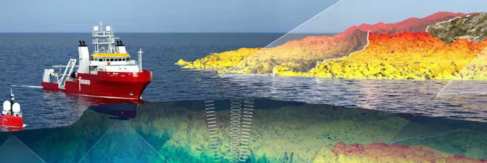
Traditionally, water quality assessment has relied on periodic sampling and laboratory analysis. Increasingly, institutions are turning to Earth observation (EO) technologies to fill monitoring gaps. Using satellites such as Sentinel-2 and Landsat, organisations like EOMAP are delivering timely insights into the health of lakes, rivers, and reservoirs. These tools measure turbidity, chlorophyll concentrations, harmful algal blooms, and surface temperature.
Democratising data for informed action
Platforms such as EOMAP’s AQUA combine satellite imagery with AI-powered analytics, enabling faster, more responsive decision-making. Longitudinal monitoring reveals the ecological impacts of urban runoff, agricultural pollution, and climate-induced stressors.
The high cost of inaction
In 2022, the Oder River experienced a catastrophic ecological collapse from low water levels, extreme heat, and algal toxins. In the United States, environmental disruptions to fisheries have resulted in more than $3.2 billion in lost revenue. Yet water quality often remains an afterthought in discussions about water security. As populations grow and climate change reshapes hydrological systems, we need data-driven approaches to ensure access to clean water. Technologies like satellite remote sensing are powerful tools for guiding remediation projects and shaping policy. Now is the time to invest not only in data, but in the wisdom to act on it.