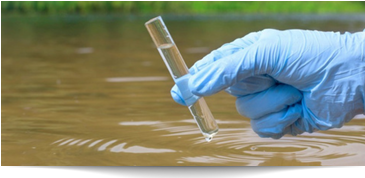

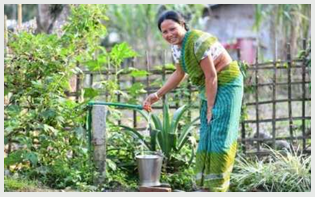
The Jal Jeevan Mission (JJM), spearheaded by the Department of Drinking Water and Sanitation under the Ministry of Jal Shakti, is revolutionizing rural India by extending functional household tap connections (FHTCs) and promoting sustainable management of water resources. Encompassing the creation of in-village piped water infrastructure, augmentation of reliable drinking water sources, and establishment of bulk transfer systems and treatment plants, the Mission simultaneously integrates technological interventions for quality enhancement, grey water management, community capacity building, and contingency measures to address unforeseen disruptions.
A major stride in digital governance has been achieved through the upgraded Rural Piped Water Supply Schemes (RPWSS) module, designed to serve as a unified Digital Registry equipped with GIS mapping and predictive analytics. By assigning each scheme a unique RPWSS ID, it ensures transparency, traceability, and effective data-driven monitoring, thereby empowering Panchayats and Village Water & Sanitation Committees to manage water systems more efficiently. The completion of ID creation across all States and Union Territories is targeted for November 2025.
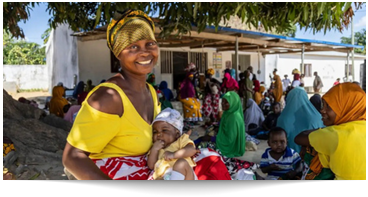
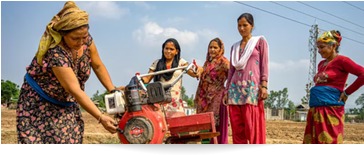
The Mission’s measurable impact extends beyond infrastructure. According to the World Health Organization, universal tap water access could save more than 5 crore hours daily—primarily for women—and avert nearly 4 lakh deaths from diarrheal diseases annually. Studies by the SBI, IIM Bangalore, ILO, and Nobel laureate Michael Kremer highlight its transformative influence on women’s participation, child health, and employment generation across India. Community-led models further illustrate its success. From women-managed schemes in Maharashtra and source restoration eorts in Nagaland to disease eradication in Assam, water security planning in Rajasthan, and digital monitoring in West Bengal, JJM exemplifies participatory governance. Covering over 81 percent of rural households, it stands as a beacon of innovation, resilience, and inclusivity—transforming water access into a foundation for health, dignity, and economic progress.