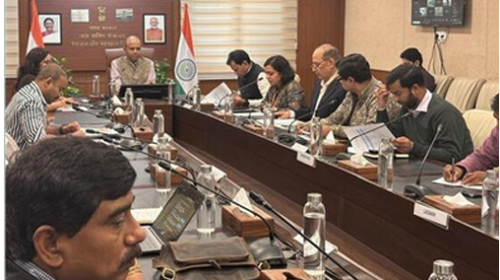

The Department of Drinking Water & Sanitation held the 3rd edition of the District Collectors’ Peyjal Samvad, a platform designed to deepen district-level engagement and strengthen the quality and sustainability of drinking water services. With the central theme – “From Grassroot to Forefront”, the discussions focused on real-time service delivery performance, infrastructure functionality, source sustainability, water quality concerns & last-mile governance. Presentation on Commissioning & Handing Over Protocol A key segment featured a detailed presentation by Shri Sumit Priyadarshi, Deputy Advisor-NJJM, on the Commissioning Protocol and Handing Over Protocol for…
Read MoreTag: Water quality monitoring
Ddws Organises One-day Workshop on “communication and Pra Tools for Jan Bhagidari” Under Jal Jeevan Mission
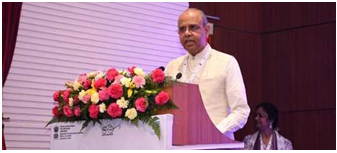
The Department of Drinking Water and Sanitation organised a one-day workshop of the Rural WASH Partners’ Forum on “Communication and PRA Tools to Promote Community Engagement (Jan Bhagidari)” on 12th November 2025 at SCOPE Complex, New Delhi. The workshop began with the unveiling of four key initiatives by Union Minister of Jal Shakti, Shri C.R. Patil: a Decision Support System for Source Sustainability, the JJM Panchayat Dashboard, the Community Radio Programme “Swachh Sujal Gaon Ki Kahani: Radio Ki Zubani”, and a handbook on Community-Managed Piped Water Systems titled “Jan Bhagidari…
Read MoreWith `2.08 Lakh Crore Central Outlay, Delivering Tap Water to Over 15.72 Crore Rural Households
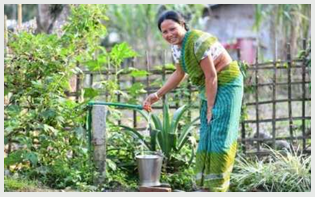
The Jal Jeevan Mission (JJM), spearheaded by the Department of Drinking Water and Sanitation under the Ministry of Jal Shakti, is revolutionizing rural India by extending functional household tap connections (FHTCs) and promoting sustainable management of water resources. Encompassing the creation of in-village piped water infrastructure, augmentation of reliable drinking water sources, and establishment of bulk transfer systems and treatment plants, the Mission simultaneously integrates technological interventions for quality enhancement, grey water management, community capacity building, and contingency measures to address unforeseen disruptions. A major stride in digital governance has…
Read MoreSafeguarding Water Quality: The Technologies Protecting Our Freshwater Future
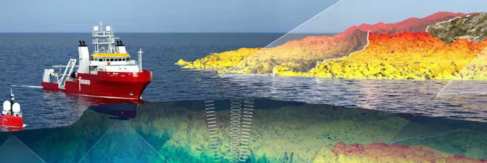
As global demand for freshwater intensifies, the conversation must evolve beyond quantity to address an equally urgent crisis: water quality. More than half of the world’s food production could be jeopardised by freshwater shortages within the next quarter-century. But contamination may prove just as perilous. The UK’s Environment Agency reported 3.6 million hours of raw sewage discharge into rivers in 2024 alone. Poor water quality accelerates ecosystem decline, imperilling biodiversity, public health, and food security. Emerging technologies for monitoring water quality Traditionally, water quality assessment has relied on periodic sampling…
Read MoreHARNESSING BIG DATA FOR SUSTAINABLE WATER RESOURCE MANAGEMENT: CHALLENGES AND STRATEGIC SOLUTIONS
Water management is a critical global challenge, especially with increasing urbanization, climate change, and growing demands for water resources. The integration of big data technologies into water management systems oers immense potential for enhancing the eciency, sustainability, and resilience of water resources. In particular, the widespread adoption of Big Data has the potential to revolutionize water resource management, expanding the possibilities of water-related work and altering the development of water systems to improve sustainability in both agriculture and metropolitan areas. management, challenges encountered in implementation and possible strategies to overcome…
Read MoreSafeguarding Water Quality: The Technologies Protecting Our Freshwater Future
As global demand for freshwater intensifies, the conversation must evolve beyond quantity to address an equally urgent crisis: water quality. The Global Commission on economics of water forecasts that over half the world’s food production could be jeopardized by freshwater shortages within 25 years. But contamination of existing freshwater may prove just as perilous. Freshwater ecosystems face unprecedented stress. The UK’s Environment Agency reported 3.6 million hours of raw sewage discharge into rivers in 2024 alone. Poor water quality diminishes resource usability and accelerates ecosystem decline, imperiling biodiversity, public health,…
Read More