
Innovation in wastewater treatment is transforming global water management through advanced technologies, sustainability-driven solutions, and circular economy integration. These innovations enable not only pollutant removal but also energy generation, resource recovery, and ecosystem restoration, aligning with the global vision for industrial decarbonization and sustainable water reuse. Technological Advancements in Wastewater Treatment Advanced wastewater treatment technologies have evolved dramatically beyond traditional activated sludge systems. Key innovations include membrane bioreactors (MBRs), advanced oxidation processes (AOPs), nanotechnology, and electrocoagulation.MBRs combine conventional biological treatment with membrane filtration, offering high contaminant removal (>95% biochemical oxygen demand, >99% total suspended solids, and near-complete pathogen elimination). They are compact, produce less sludge, and are increasingly used in urban areas. However, issues of membrane fouling and high costs remain critical areas for optimization.
AOPs use reactive oxygen species like hydroxyl radicals to degrade persistent organics. They ensure deep oxidation but consume high energy and may form secondary pollutants. Integration with renewable energy and catalytic enhancement improves their sustainability and cost-effectiveness.
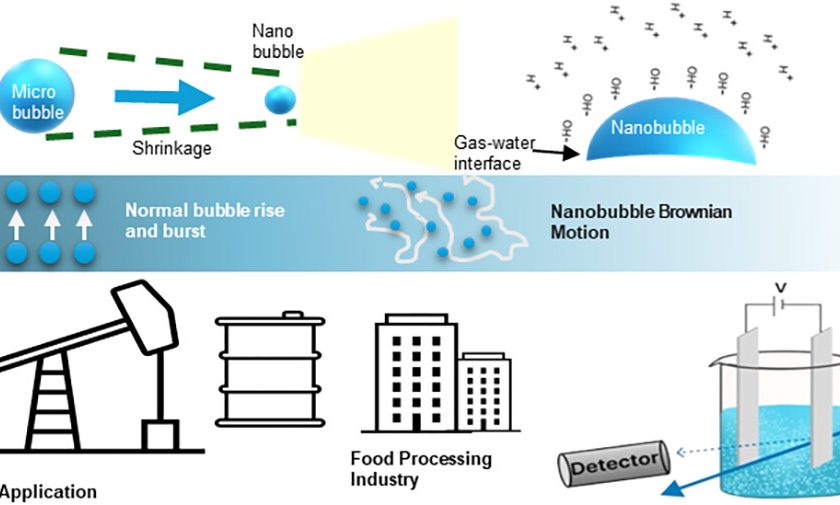
Nanotechnology, involving materials such as carbon nanotubes and metal-organic frameworks, enhances adsorption and biocatalysis for di cult pollutants such as micro pesticides and heavy metals. While effective, it requires careful risk assessment regarding nanoparticle release.
Electrocoagulation uses electrical current to destabilize and remove contaminants; it reduces chemical usage and can treat diverse waste streams, though optimization for energy use and sludge handling is under research. Smart Monitoring and Control Digital transformation plays a central role in wastewater modernization. The integration of Internet of Things (IoT), advanced sensors, and automation systems enables real-time monitoring, predictive maintenance, and smart control of treatment processes.
Sensors continuously track parameters like pH, turbidity, and dissolved oxygen, feeding data into AI-based control systems that optimize energy and chemical use. These smart technologies improve overall plant efficiency, lower costs, and ensure compliance with stringent discharge norms. However, initial infrastructure investments and technical maintenance remain hurdles.
Artificial intelligence-driven optimization extends benefits through data analytics, enabling predictive modeling of treatment performance and failure prevention. This reduces manual intervention and enhances resilience, supporting sustainability transitions in urban water networks .Renewable Energy and Resource Recovery Waste-to-energy concepts integrate biogas, solar, and hydropower systems into treatment plants. Organic sludge is anaerobically digested to generate methane, achieving yields up to 70% of theoretical maximum, which sets facility energy demand. Similarly, solar photovoltaic integration powers aeration and pumping systems, reducing carbon footprints significantly.
These innovations contribute to energy-neutral or even energy positive plants. The captured biogas and recovered nutrients (nitrogen and phosphorus) from sludge are reused as fertilizers or feedstock, fostering industrial symbiosis and local circular economies . This parallels the “resource recovery paradigm” that views wastewater not as waste but as a renewable source of materials and energy. Eco-Innovative and Decentralized Systems Decentralized wastewater treatment represents a key sustainability frontier. Eco-innovative systems deploy modular, low-energy technologies adapted to local needs—especially suitable for small communities, peri-urban zones, and developing regions. These systems combine green technologies powered by renewable energy with natural treatment units such as constructed wetlands, facilitating treatment and reuse at lower capital and operational costs.
Constructed wetlands mimic natural filtration and bioremediation processes, fostering biodiversity and offering additional ecosystem services such as carbon sequestration. Their limitations—slow treatment rate and large land requirement—are mitigated through hybrid designs pairing wetlands with membrane or biofilm reactors.
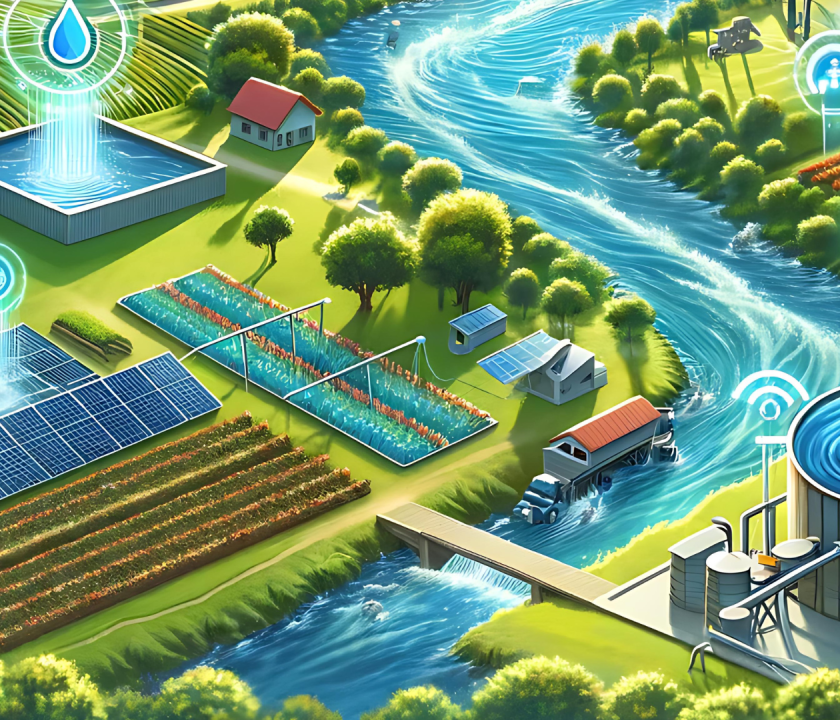
In regions like the Middle East and North Africa, eco-innovative wastewater systems align with circular economy strategies by harnessing solar energy, minimizing chemical inputs, and enabling localized water reuse, ensuring self-sufficiency and resilience amid water scarcity .Circular Economy Integration Transitioning wastewater management toward circular economy frameworks redefines the industry’s goals—from pollutant removal to value creation. This progression entails closing loops of water, energy, and materials through reuse and recovery technologies.
Circular approaches link industrial ecology and smart water reuse, where recovered wastewater is reintroduced into agriculture, industry, or groundwater recharge systems. Nutrient recovery technologies capture phosphorus and nitrogen, reducing reliance on synthetic fertilizers. Bioplastics and biochar derived from sludge sterilization are gaining market potential, demonstrating the industrial valorization of waste streams.
Such practices support climate action goals by reducing greenhouse gas emissions and dependency on fossil-derived resources, contributing to SDG targets on clean water, sanitation, and affordable clean energy.Socioeconomic and Sustainability Impacts Innovations in wastewater systems transform not only infrastructure but also socioeconomics. Automation and renewable integration reduce operational energy costs and labor while increasing job opportunities in green technology sectors. They elevate corporate environmental responsibility and community awareness on water reuse.
Moreover, sustainable technology management reduces freshwater demand pressures, enhances public health by preventing contamination, and strengthens resilience against climate-induced water stress. However, transitioning to such systems faces barriers including high initial setup costs, required technical expertise, and governance challenges in integrating public-private financial models.
Future transitions depend on cross-sector collaboration among policymakers, engineers, and environmental scientists to ensure circular, equitable, and restorative wastewater ecosystems that valorize each molecule of water and organic matter. Conclusion Wastewater treatment innovation stands at the intersection of technology, sustainability, and circular economy. Emerging solutions—from membrane bioreactors and advanced oxidation to AI-powered control and biogas recovery—demonstrate that environmental responsibility and operational efficiency are compatible goals. Integrating renewable energy and resource recovery transforms wastewater plants into smart, regenerative systems that close material and energy loops, advancing society toward net-zero and water secure futures by.