
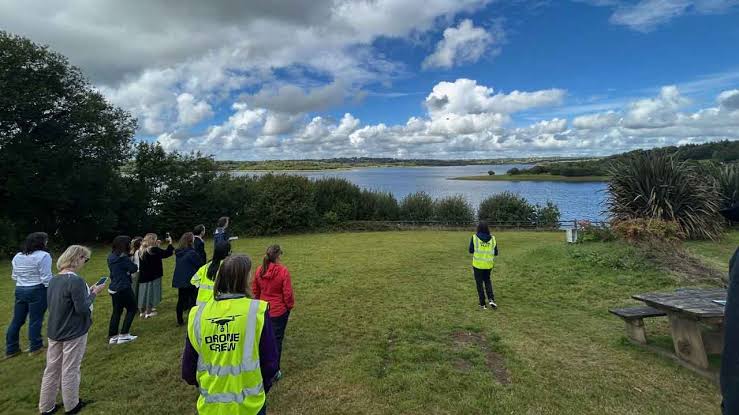
Lurking in our lakes, reservoirs & rivers is a growing threat that is beginning to surface harmful algal blooms (HABs). Naturally occurring, HABs form when algae grow rapidly in warm nutrient-rich waters.
Nutrients can come from the natural environment, the atmosphere and from slurries and fertilisers, such as nitrogen and phosphorus, which are applied to farmland. If this then runs off into waterways it provides these blooms with a feast to grow on.
Sometimes these blooms are harmless but many types of algae can turn toxic and grow which can make water treatment more difficult, damage ecosystems and harm fish and wildlife. As global temperatures rise and weather patterns change these blooms are a challenge that is becoming increasingly common.
South West Water is tackling this challenge through an innovative new project, Prediction and Early Detection of Algal Blooms (PEDAL), in partnership with the University of Exeter through the joint venture – the Centre for Resilience in Environment, Water and Waste (CREWW).
Working with key partners from across the world including Western Cape DWS as well as local partners like Plymouth Marine Laboratory and South West Lakes Trust, over the next three years CREWW will develop the UK’s first advanced digital twin system for HABs.
This early-warning tool will combine data from satellites, drones, in-situ sensors, laboratory testing and community input through citizen science. By using AI and advanced modelling, this new system will forecast when and where these blooms are likely to occur, helping South West Water to intervene earlier to protect supplies and the environment. The £2million project is being funded by the Ofwat Innovation Fund which is a key pillar in Ofwat’s mission to drive innovation that ensures the water sector is ready for the challenges of the future. It will deliver benefits for other water companies including access to improved predictive tools and data-driven insights, helping to reduce operational costs and plan interventions more effectively.