
More than one billion children are now exposed to at least three simultaneous climate hazards, according to the Children’s Climate Risk Report 2026. Drawing on a newly developed Global Child Hazard Database, the report maps children’s exposure to eight climate hazards—riverine floods, droughts, tropical storms, heatwaves, extreme heat, fires and sand and dust storms—alongside malaria and ambient air pollution.
Exposure is widespread: 1.8 billion children live in drought-affected areas, 1.5 billion face heatwaves, 1.2 billion experience temperatures exceeding 35°C, 662 million live in tropical storm zones, and 2.3 billion live with air pollution above WHO guidelines. The report identifies 296 million children exposed simultaneously to drought, extreme heat and heatwaves.
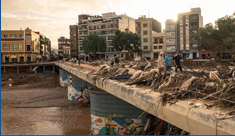
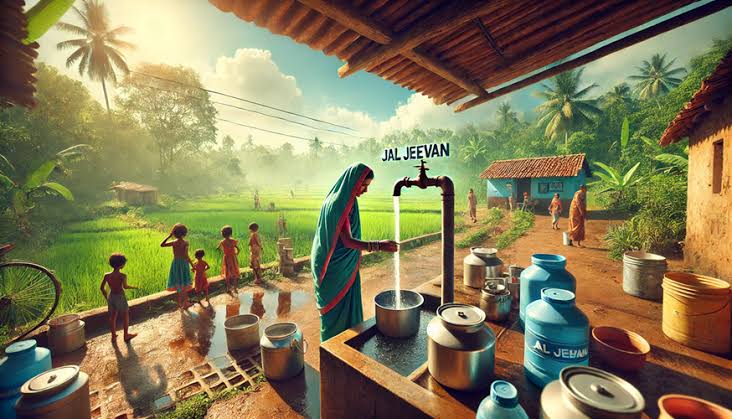
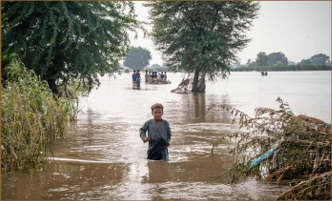
Hazards compound in effect. Droughts fuel wildfires, which worsen air quality and increase flood vulnerability; flooding then destroys schools, contaminates water and displaces communities. Water vulnerability is critical: 634 million children lack safely managed drinking water, one billion lack sanitation, and 489 million lack basic hygiene services. By 2040, an estimated 600 million children will face extremely high water stress.
Impacts span health, nutrition, education and protection. In 2024, 20 million children missed vaccines, 242 million students had schooling disrupted by climate events, and 62.1 million experienced displacement between 2016 and 2023. Climate change is projected to cause 28 million additional cases of child wasting and 40 million stunting by 2050.
Fragile, landlocked and small island states face the greatest burden. In Chad, over 95 per cent of children face at least three simultaneous hazards. In 24 Small Island Developing States, over 99 per cent are exposed to tropical storms.
The Global Child Hazard Database enables governments to prioritize climate adaptation finance and child-critical services. Policy recommendations include climate-resilient WASH infrastructure, decarbonised water and sanitation services, shock-responsive social protection, and accelerated fossil fuel phase-out.