
Dr Bijal Sanghvi – Managing Director – Axis Solution Limited
Delivering drinking water isn’t just about building pipelines, it’s about ensuring sustainability, safety, and trust for every household. As India’s Jal Jeevan Mission (JJM) progresses in bringing tap water to rural homes, the focus must now shift from infrastructure creation to ensuring consistent water quality.
While urban water systems increasingly adopt Public-Private Partnerships (PPPs) and cost-recovery models for efficiency, such commercialization is harder in rural areas. Monetization can disrupt traditional community-based water management and risk resource depletion. Hence, sustainability and transparency must remain central to rural water governance.
The Scale and the Challenge
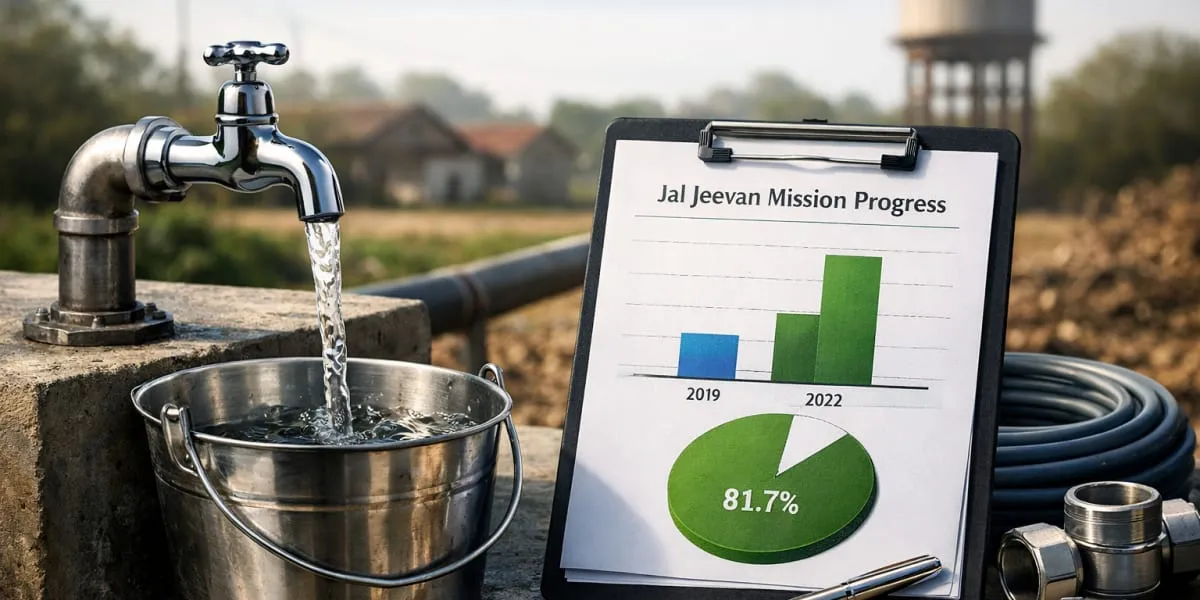
Launched in 2019, the Jal Jeevan Mission (JJM) set out to provide every rural household with a tap connection supplying safe drinking water. At the time, only 17% of homes had access; today, coverage has crossed 80%, marking a major milestone in India’s development journey.
However, challenges remain irregular supply, low pressure, and water quality issues still affect many villages. Problems like leakages, illegal tapping, and contamination from nearby sewer lines persist. To sustain progress, India needs a robust, transparent, and technology-driven Water Quality Monitoring and Surveillance (WQMS) system to ensure every drop is not just delivered, but safe to drink.
Why Monitoring Matters
Traditionally, manual sampling and lab testing have been used to assess water quality. While somewhat effective, these methods are limited by infrequent testing, logistical delays, and slow response times. Contamination from pipeline repairs, heavy rains, or backflow can occur suddenly and go unnoticed for days.
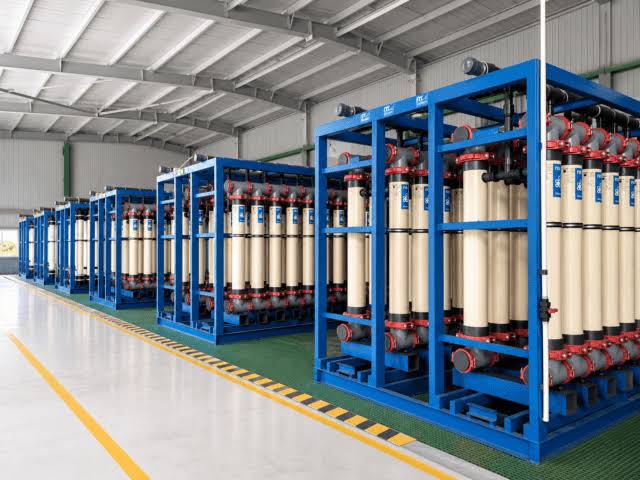
Automation and analyzers transform this process by providing real-time, continuous monitoring of key parameters like pH, turbidity, conductivity, and residual chlorine. Installed at vital points from sources to distribution lines they transmit live data to a central dashboard, enabling instant detection and rapid corrective action.
From Manual Checks to Smart Monitoring
The use of analyzers marks a shift from reactive to proactive rural water management. Earlier, contamination was detected only after complaints or delayed lab reports often too late. Now, real-time analyzers instantly flag anomalies, enabling swift corrective action before contamination spreads.
Beyond quality control, analyzers boost operational efficiency by tracking chlorine dosing, filtration performance, and turbidity. Automated data collection reduces human error and provides actionable insights, helping India advance the Jal Jeevan Mission responsibly and turn “Har Ghar Jal” into a science-driven reality.
Balancing Promise and Practicality
While technology offers great potential, implementing analyzers in rural India faces hurdles such as cost, maintenance, harsh climates, power outages, and connectivity issues that can affect performance.
Still, the benefits far outweigh the challenges. Global experiences show that real-time monitoring of chlorine and turbidity, supported by local training, greatly enhances safety. A hybrid model combining automated analyzers, community test kits, and periodic manual checks ensures a practical, inclusive, and sustainable approach to rural water quality management.
Building the Backbone of Trust
For India to fully embed analyzers and smart monitoring within the Jal Jeevan Mission framework, several enablers are essential:
- Standardization & Integration – Develop common standards for sensors, data formats, and alert systems to ensure interstate compatibility and scalability.
- Capacity Building – Train regional technicians and operators in maintenance, calibration, and troubleshooting to ensure local sustainability.
- Data Transparency – Make real-time water quality data accessible to Panchayats and citizens, fostering accountability and public confidence.
- Sustainable Funding – Allocate dedicated operation and maintenance funds for analyzers and IoT-based monitoring systems.
- Community Engagement – Empower local water committees to interpret data insights and make informed decisions for their communities.
When these elements come together, water monitoring evolves from a compliance activity into a culture of continuous assurance, where every household not only receives water but also trusts its quality.
The Way Forward
The Jal Jeevan Mission has already transformed millions of lives by bringing drinking water to rural doorsteps, one of the largest rural water initiatives in the world. However, sustaining this success requires technology at its core.
Automation, sensors, and analyzers are not luxuries; they are the invisible guardians ensuring every drop is safe, every glass is clean, and every promise made under JJM is honored. As India moves closer to achieving universal access to water, smart monitoring will become the bridge between infrastructure and trust.
With around 16 crore rural households still awaiting tap water especially in states like Rajasthan, Kerala, West Bengal, and Jharkhand the path ahead demands both innovation and inclusion. The true goal is not just to deliver water to every home, but to deliver safe, reliable, and intelligently monitored water, ensuring that the spirit of “Har Ghar Jal” flows strong, pure, and sustainable for generations to come.