

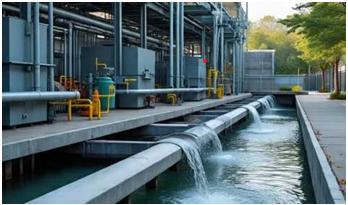
In a major step toward sustainable urban water management, the Bangalore Water Supply and Sewerage Board (BWSSB) plans to make greywater recycling compulsory for all new buildings and detached houses. The initiative aims to conserve resources and reduce Bengaluru’s heavy dependence on the Cauvery River. A detailed framework is being prepared and is expected to be submitted to the state government for approval by the end of the year.
At present, wastewater treatment and reuse are mandatory only for apartment complexes with over 120 flats. However, with rapid urbanisation, depleting groundwater, and climate-related water stress, officials argue that expanding the policy to individual homes has become essential. Experts have also welcomed the move, noting its potential to ease the city’s reliance on freshwater sources and relieve pressure on drainage infrastructure.
Currently, BWSSB pumps nearly 2,225 million litres of Cauvery water daily from around 100 kilometres away, costing thousands of crores. Nearly 40 percent of this water is used for non-essential purposes and often wasted. Recycling greywater—the wastewater from kitchens, bathrooms, and laundry, excluding toilet waste—could reduce this dependency by up to half while helping recharge local groundwater reserves. Under the proposal, builders must install separate pipelines for greywater and blackwater. Greywater will be collected, treated, and reused for non-potable purposes such as gardening, cleaning, and toilet flushing. Households will be required to prevent plastic or solid contamination, and systems will need regular cleaning to maintain hygiene.
A senior BWSSB official said the rule will first apply to new constructions before being expanded further. According to Dr. Ram Prasath Manohar, the measure is a forward-looking step that could set a benchmark for other Indian cities seeking to balance urban growth with water sustainability.