
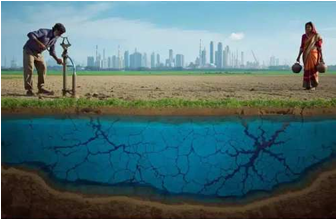
India’s groundwater crisis is intensifying, raising concerns about whether current reserves can meet increasing demand driven by climate change and rising temperatures. Groundwater is a major water source in India, used extensively for agriculture while supplying fresh water to billions and sustaining the nation’s food security.
Groundwater sources are mostly recharged by rain, with 60 per cent from monsoon showers. With a warming climate, rain patterns have shifted or are missing in some cases. According to the Central Ground Water Board, total annual groundwater recharge fell from 449.08 BCM in 2023 to 446.9 BCM in 2024. Incessant extraction across major agricultural belts also contributes to depletion, with many regions in Punjab, Haryana, Delhi, Rajasthan and Tamil Nadu designated critical or over-exploited.
Major water loss in North India
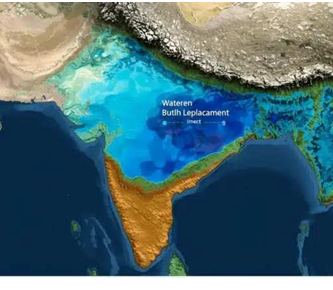
A 2024 assessment using satellite data estimated that North India lost nearly 450 cubic kilometres of groundwater between 2002 and 2021, with levels dropping by around 1.5 centimetres per year. Researchers attributed the alarming depletion to weak monsoon seasons and warmer winters—both consequences of worsening climate change. The study warned this trend will accelerate unless extraction is reduced and recharge improved. The depletion has already reduced crop sowing areas and affected wheat and rice production.
Agricultural and urban stress
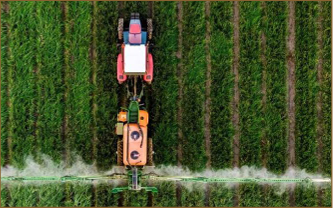
Agricultural practices are draining groundwater at a worrying rate. Rice is a major driver of depletion, with a 2025 study showing how water-intensive practices like flooded paddy fields in Punjab continue pushing water tables down. While alternative methods can reduce water use, adoption remains slow.
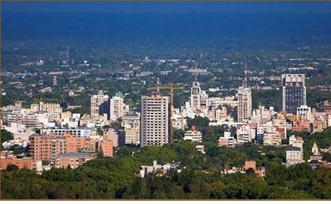
Bengaluru’s water scarcity illustrates how rapid urban expansion and over-extraction have drained aquifers so extensively that borewells fail across neighbourhoods. The same trend persists across Indian cities, with demand continuing to climb.
Quality concerns
Eastern India faces increasing risk of water contamination, with a 2025 study noting that groundwater stress is multidimensional—even where water is available, it may not be safe for drinking.
Groundwater supports nearly 60 per cent of India’s irrigation and over 80 per cent of rural drinking water. Experts agree India needs more water-efficient agriculture, strong regulation of extraction, efficient recharge programmes, and urban planning that protects natural reserves.Claude is AI and can make mistakes. Please double-check responses.
Follow us