
According to an international study featuring CMCC scientists, the true economic damage of climate change has been vastly underestimated – because the ocean has been left out of the equation.
By integrating the latest ocean science into climate-economic models, researchers found that accounting for climate impacts on marine ecosystems and ocean-dependent infrastructure nearly doubles the social cost of carbon. The hidden ocean cost is estimated at $48 per tonne of CO₂, a figure they say should be added to current policy calculations.
A new paper involving CMCC scientists Francesco Granella, Johannes Emmerling and Massimo Tavoni shows that when the impacts of climate change on marine ecosystems and ocean-dependent economic activities are properly accounted for, the cost of carbon rises dramatically.Using the latest ocean science and economic modelling, the study introduces the concept of “ocean-based social cost of carbon”, or blue SCC, capturing climate damages to coral reefs, mangroves, fisheries, and global seaports.
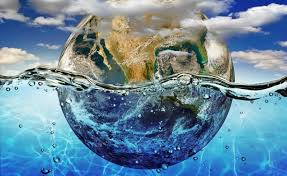
The ocean covers more than 70% of the Earth’s surface and supports a wide range of economic & social benefits, yet its role has largely been absent from climate–economy models that underpin carbon pricing and policy decisions. One of the most significant findings is that health impacts linked to fisheries account for nearly half of the ocean-related climate damages. In many countries, especially lower-income and island states, fish are a crucial source of protein and micronutrients. Climate-driven declines in fish stocks translate directly into higher mortality and poorer health outcomes.
The study finds that ocean-related damages are unevenly distributed across regions. Countries with high dependence on marine ecosystems – including many lower-income countries and small island developing states – face disproportionately large welfare losses. “The ocean provides direct economic benefits like seafood and shipping, but it also sustains us through services that hardly appear in market transactions, such as coastal protection from mangroves, nutrients critical for human health, and the intrinsic value people place on knowing that marine ecosystems exist,” explains CMCC’s Francesco Granella. “Losing a coral reef or a mangrove forest isn’t just an environmental loss, it’s a loss to human wellbeing that can’t be easily compensated for.”