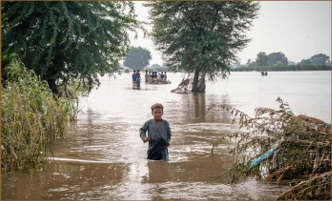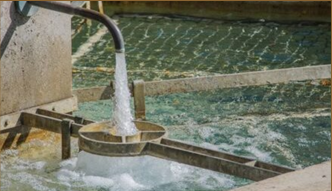

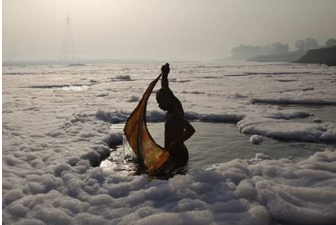
India holds roughly 18% of the world’s population but only about 4% of its renewable freshwater resources, raising the stakes of river degradation. Across the country, untreated industrial wastewater contaminates rivers including the Yamuna, Ganga, Sabarmati and Jojari, with many tributaries critically degraded and facing functional collapse in coming decades.
A major contributor is the textile and tannery industry, which consumes vast amounts of water and generates difficult-to-remove waste. Polluted rivers threaten drinking water, farm productivity, public health and local economies. Studies near Kanpur’s tanneries show chromium in groundwater far above safe limits, linking waste to serious health risks.
Regional impacts
The Yamuna enters Delhi as a Himalayan river but across just 22 kilometres of industrial and sewage laden stretches, it becomes a drain. Tanneries and textile units often discharge untreated wastewater loaded with chromium, dyes, salts and chemicals that conventional treatment plants cannot remove.
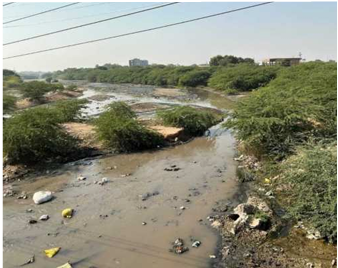
Local reports show significant contamination from textile dyes and salts in Tamil Nadu’s Noyyal basin. Along Rajasthan’s Jojari River, villagers say their farmland turned barren near Balotra, where textile factories line the riverbanks. Local farmer Babulal explained that the soil no longer grows anything and stays covered in black water throughout the year, pushing families to abandon generations-old farming traditions and migrate.
Need for intelligent action
India has begun installing continuous effluent monitoring systems with sensors at discharge points. However, enforcement actions often come weeks or months after violations, long after damage has occurred. The river isn’t short of data; it’s short of intelligence.
In parts of Europe, textile pilots reuse most of their water and work toward near-closed-loop systems using data and automation to cut river pollution. Regulators are testing new methods including AI and satellite imagery to detect illicit discharges more quickly.
The Thames in London, once declared biologically dead, revived through strict regulations, investment in treatment and improved monitoring, proving that severely contaminated urban rivers can be brought back to life. These examples show that strict standards, shared responsibility and smart monitoring can make industries stronger rather than holding them back.