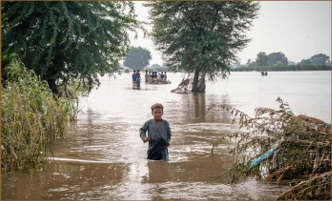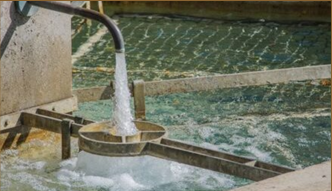


2025 is defined by economic friction and technological acceleration, as trade tariffs, geopolitical volatility and an AI boom reshape global industries. Amid these shifts, water innovation moved from the periphery to the mainstream of climate and sustainability discussions.
New water-focused venture funds signal rising investor confidence. Yet traditional water-infrastructure financing continues to lag. The OECD and World Bank estimate global needs will reach $6.7 trillion by 2030 and could rise to $22 trillion by 2050, far exceeding current public funding commitments.
Water is now central to business strategy, regulatory action and the structure of the water technology market. Corporate water stewardship has long been led by food and beverage manufacturers. Rising water stress and supply-chain disruption mean companies across many sectors must now consider water in their long-term planning.
The tech sector has become a focal point, facing scrutiny over the water footprint of AI and cloud data centres. Microsoft’s global water consumption rose by 34% in 2022, driven by AI model training. In 2025, Salesforce published its first comprehensive water programme, identifying water as its most significant nature-related challenge and installed Epic Cleantec’s on-site water reuse system at Salesforce Tower in San Francisco.
AI, climate-driven supply-chain disruptions and tightening water constraints are reshaping where industries locate and how they operate. AI is also accelerating water innovation through predictive analytics, advanced sensors and intelligent tools improving efficiency and leak detection.
Looking ahead to 2026
In 2025, investors, regulators and corporates accelerated water innovation. Yet fragmentation, underinvestment and system-level constraints still limit global progress. As new capital is deployed, 2026 is poised to become a year of tangible delivery.
The UN Water Conference in the United Arab Emirates will offer an opportunity to align finance, policy and technology around shared water goals.