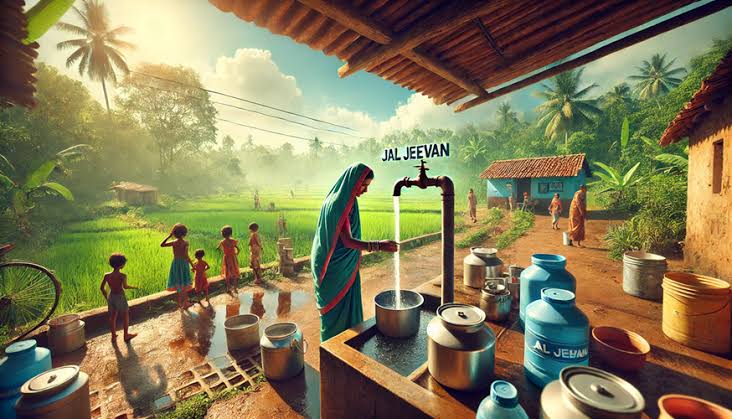

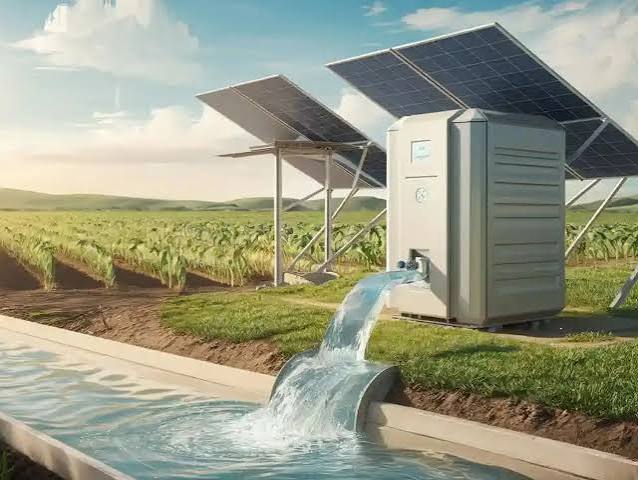
The Maharashtra government is developing a policy to solarise 22,185 rural water supply schemes as part of efforts to reduce mounting electricity dues and ensure uninterrupted drinking water services. Chief Minister Devendra Fadnavis has directed officials to formulate a dedicated policy for the phased solarisation of rural water infrastructure.
The move comes amid growing concerns over mounting electricity dues associated with water supply projects. Power-related liabilities have been increasing for several schemes, creating financial and operational challenges for local authorities. Chairing a review meeting on the state’s rural drinking water policy, Fadnavis emphasised that essential water supply services should not be disrupted due to unpaid electricity bills and instructed departments to prepare a structured implementation plan that would gradually transition water supply systems to solar energy while ensuring continuous service delivery.
The Maharashtra Energy Development Agency (MEDA) has been asked to develop a detailed roadmap for the transition, outlining implementation timelines, technical requirements, and funding mechanisms needed to support large-scale solar adoption across rural water infrastructure. The policy framework will serve as a guide for executing the solarisation programme in phases across different regions.
Alongside the solarisation drive, Fadnavis reiterated the importance of maintaining service quality in rural areas, directing officials to align all water supply projects with the Central government’s benchmark of providing 55 litres of safe drinking water per person per day. Future upgrades and expansion plans should prioritise compliance with this standard to ensure reliable access to potable water in villages. With solarisation planned for more than 22,000 schemes, Maharashtra’s initiative represents one of the largest efforts to integrate renewable energy into rural water infrastructure.