
The National Green Tribunal (NGT) has issued a stern directive to the Delhi Urban Shelter Improvement Board (DUSIB) and the Delhi Jal Board (DJB) to intercept untreated sewage from eight major JJ clusters. The order, delivered on February 3, aims to prevent the direct discharge of waste into the Barapullah drain, a major contributor to Yamuna River pollution.
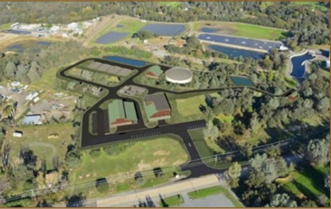
The DJB has proposed the installation of modular Decentralized Sewage Treatment Plants (DSTPs) at specific discharge points to tackle the issue at the source. This intervention highlights a growing regulatory shift toward decentralized treatment solutions in complex urban environments where traditional trunk sewer connectivity is difficult. The NGT has demanded progress reports by April 2026, signaling a high-priority push for localized sanitation infrastructure.
Operational Coordination: The NGT noted that effective implementation had been stalled due to a lack of coordination between the DJB and DUSIB. The new order forces DUSIB to provide a “single point of exit” for sewage from each slum cluster, making it technically feasible for the DJB to install modular treatment units. These DSTPs are expected to be operational within six months, providing a faster, more flexible alternative to the massive, centralized plants that typically take years to build.