

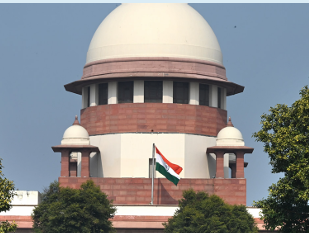
On February 24, the Supreme Court of India closed its suo motu proceedings regarding river pollution, handing the responsibility of continuous monitoring back to the National Green Tribunal (NGT). Chief Justice Surya Kant noted that specialized environmental courts are better positioned to handle the technical complexities of sewage treatment and industrial discharge. The court stated that the right to clean water is a fundamental right, but oversight must be technically rigorous.
This procedural shift is expected to accelerate the enforcement of pollution norms. The NGT will now have the primary mandate to oversee the implementation of Sewage Treatment Plants (STPs) and Common Effluent Treatment Plants (CETPs) across the country, with the power to penalize municipal bodies that fail to meet discharge standards.
Regulatory Clarity:
Legal experts suggest that this move reduces the “judicial overlap” that often delayed environmental enforcement. By consolidating these cases under the NGT, the water sector can expect more frequent and specialized status reports, forcing state governments to be more transparent about their sewage treatment gaps. The NGT’s expert benches will now focus on the “zero liquid discharge” goals for industrial clusters.