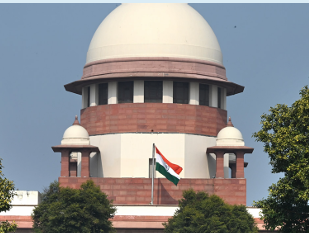

On February 24, the Supreme Court of India closed its suo motu proceedings regarding river pollution, handing the responsibility of continuous monitoring back to the National Green Tribunal (NGT). Chief Justice Surya Kant noted that specialized environmental courts are better positioned to handle the technical complexities of sewage treatment and industrial discharge. The court stated that the right to clean water is a fundamental right, but oversight must be technically rigorous. This procedural shift is expected to accelerate the enforcement of pollution norms. The NGT will now have the primary…
Read MoreTag: water governance India
JAL JEEVAN MISSION EXTENDED TO 2028 WITH FOCUS ON “NAL JAL MITRAS”
As of early February 2026, the Jal Jeevan Mission (JJM) has achieved a significant milestone, providing tap water connections to over 81.5% of rural households. To ensure the long-term sustainability of this massive infrastructure, the government has officially announced the extension of the mission until December 2028. The new phase of the mission shifts focus from “infrastructure creation” to “operational excellence.” A key component of this strategy is the Nal Jal Mitra Programme, a collaboration with the Ministry of Skill Development to train local villagers in maintenance and water quality…
Read MoreUnion Minister of Jal Shakti Shri C.r. Patil Launches Sujalam Bharat App
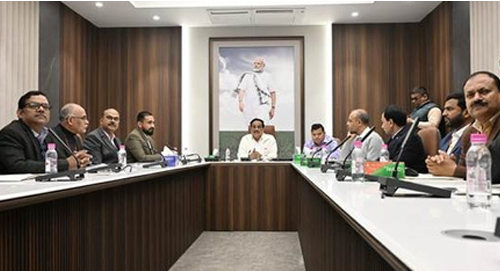
The Union Minister of Jal Shakti, Shri C.R. Patil, today launched the Sujalam Bharat App, a digital initiative designed to transform rural drinking water governance by placing real-time information in the hands of citizens and institutions. The app has been developed with support from BISAG-N to enable geo-referencing, monitoring and management of rural water supply infrastructure under Jal Jeevan Mission. The Union Minister emphasized this marks a major step forward in ensuring transparency and strengthening community ownership in rural drinking water supply systems. The event witnessed online participation from representatives…
Read MoreSmart Water Management: How Ai and Iot Can Solve India’s Urban Water Crisis
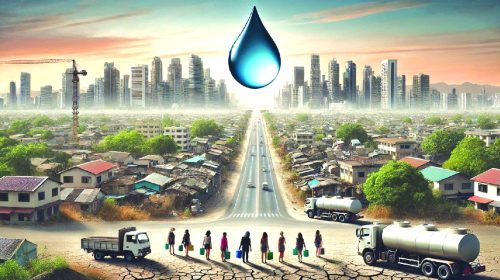
N Nearly 600 million Indians endure high to extreme water scarcity, & over 21 cities, including Delhi, Bengaluru & Chennai, could run out of groundwater by 2030. According to NITI Aayog’s 2019 report, India’s per capita water availability is around 1,100 cubic meters, significantly below the water stress threshold of 1,700 cubic meters. By 2030, India’s water demand is estimated to be twice the available supply, implying severe scarcity. Smart Water Management: A Transformational Solution A decisive pivot to Smart Water Management (SWM) can make a transformational difference. Leveraging IoT…
Read More