
New early warning systems must be based on three key elements: the ability to simulate, predict, and analyze in real time; coordination between agencies and operators; and public education, risk awareness, and trust in the warning system, according to Xylem Vue June 8, 2026. The real value of a warning system for extreme events such as floods lies not in the warning itself, but in the ability to trigger timely decisions well in advance, according to the World Meteorological Organization and UNEP. According to Sergio Morant, Head of EWS at…
Read MoreTag: climate resilience
EARLY WARNING SYSTEMS MUST EVOLVE INTO TOOLS THAT ANTICIPATE FLOODING AND PROTECT LIVES
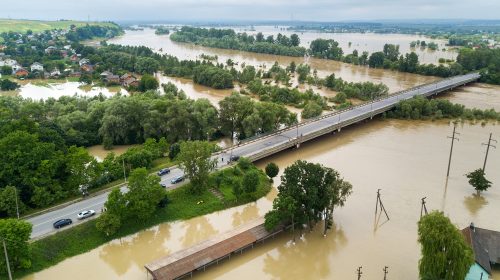
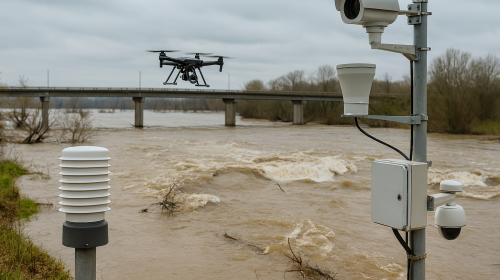
According to a report by Xylem Vue, these systems must be integrated as operational platforms within water management frameworks, automatically linked to the activation of emergency plans, municipal protocols, and interagency decision-making processes. Floods do not cause severe damage due to a lack of data. They cause it because there is not enough actionable time to make decisions and respond. May 20, 2026. Far from being understood as simple alert platforms, Early Warning Systems (EWS) must urgently evolve into operational systems for flood and extreme event management. This is highlighted…
Read MoreEARLY WARNING SYSTEMS MUST EVOLVE INTO TOOLS THAT ANTICIPATE FLOODING AND PROTECT LIVES
According to a report by Xylem Vue, these systems must be integrated as operational platforms within water management frameworks, automatically linked to the activation of emergency plans, municipal protocols, and interagency decision-making processes. Floods do not cause severe damage due to a lack of data. They cause it because there is not enough actionable time to make decisions and respond. May 14, 2026. Far from being understood as simple alert platforms, Early Warning Systems (EWS) must urgently evolve into operational systems for flood and extreme event management. This is highlighted…
Read MoreNepal Among Cgiar Pilot Countries to Co-design Country Strategy Framework
IWMI is leading the development of Nepal’s CGIAR Country Strategy Framework, aiming to scale research for impact across agrifood, land, & water system priorities. As development actors seek to move beyond fragmented pilots toward impact at scale, CGIAR has begun piloting Country Strategy Frameworks (CSFs) to consolidate research, partnerships, and investments around nationally owned priorities. Nepal is one of three countries globally piloting this approach, with the International Water Management Institute (IWMI) as lead agency and IWMI’s Manohara Khadka appointed as CGIAR Country Convener. Strategic Shift Toward Integration CSFs respond…
Read MoreThe Digital Transformation of Water Must Have the Right Technology, Strategy and Team to Organise It
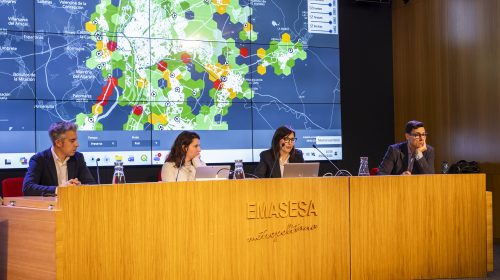
With a firm commitment to advancing the protection of water resources, Seville (Spain) hosted WEX Global, the leading international forum in the water, energy, and climate change sectors, held from February 9 to 11, 2026. Under the theme “Water, Energy and Climate Change: From Vision to Action – Towards a Water-Abundant World,” the congress, celebrating its 20th edition, brought together more than 270 participants from over 45 countries. The program featured panel discussions, technical site visits, networking meetings, a gala dinner, and a showcase of the World Water Film Festival.…
Read More