
Nepal Among Cgiar Pilot Countries to Co-design Country Strategy Framework
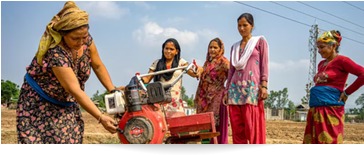
IWMI is leading the development of Nepal’s CGIAR Country Strategy Framework, aiming to scale research for impact across agrifood, land, & water system priorities. As development actors seek to move beyond fragmented pilots toward impact at scale, CGIAR has begun piloting Country Strategy Frameworks (CSFs) to consolidate research, partnerships, and investments around nationally owned priorities. Nepal is one of three countries globally piloting this approach, with the International Water Management Institute (IWMI) as lead agency and IWMI’s Manohara Khadka appointed as CGIAR Country Convener. Strategic Shift Toward Integration CSFs respond…

Read More

“Mizuiku” – Inspiring Local Action Through Water Education – a World Water Week Reflection

As UK rivers reach exceptionally low levels during heatwaves and drought warnings, water security risks impact households, farmers and businesses, highlighting the importance of local water stewardship and community engagement. Suntory Beverage & Food GB&I has committed to water conservation through its “Achieving Water Security” environmental principle, hosting “Mizuiku water engagement programmed” workshops over three years to educate the public about water security and the critical link between rivers and nature. Mizuiku, meaning water education in Japanese, was launched by Suntory Holdings in 2004 to teach younger generations about water…

Read More

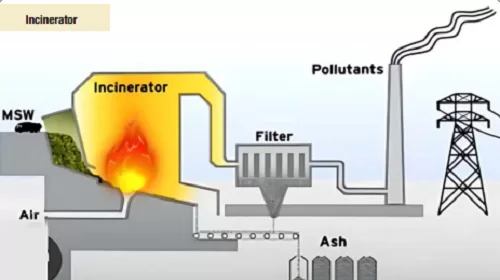
Optimized Management of Municipal Solid Waste for Environmental Sustainability: Techniques And Technologies

Optimized-Management-Of-Municipal-Solid-Wastes

Municipal solid waste, commonly known as trash or garbage, consists of everyday items discarded by households, businesses, and institutions. By definition, it includes waste from various sources such as domestic wastes, commercial establishments, institutions, industries, and construction. It typically includes the following with varying proportions depending on the location, socioeconomic factors, and consumption patterns of the society: Organic Waste: Food scraps, garden trimmings, and other biodegradable materials. Recyclables: Paper, cardboard, plastics, metals, and glass. Hazardous Waste: Batteries, electronic waste (e-waste), and chemicals. Inert Waste: Construction debris and other non-biodegradable materials.…

Read More